







Search Results for: recommended dose for filter cone
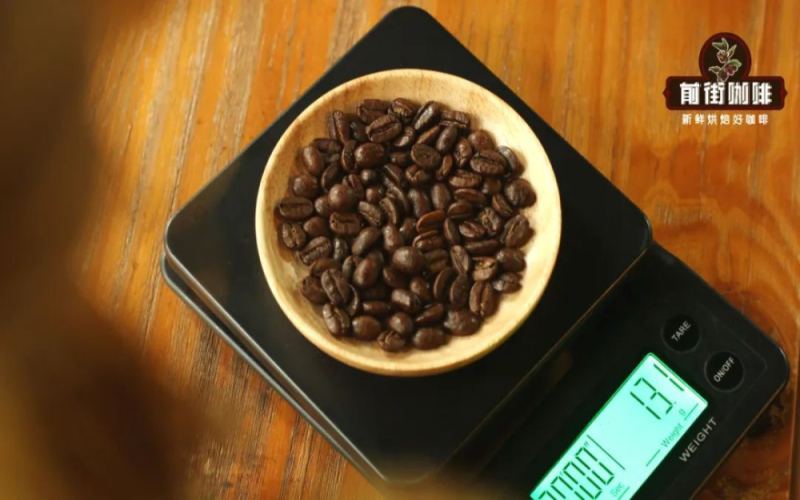
What Is the Right Amount of Coffee for a Single-Serve Pour-Over? V30 Cone Dripper Testing and Brew Parameter Breakdown
How should the coffee dose for pour-over be determined? The common Hario V60 01 dripper is recommended to hold 15–20 grams of coffee grounds, but when there aren't enough beans left or you only want to brew a single cup, using a large dripper with a small dose easily leads to a thin extraction. The 30-degree conical dripper launched by Japan's Tarachine (commonly known as the V30) is designed specifically for small doses of under 15 grams. After getting this transparent resin dripper, Front Street Coffee conducted brewing comparisons using Kenya, Blue Mountain, and three medium-roast beans, and found that the V30 can form a thicker coffee bed with a small dose, extending the extraction path, making the coffee flavor more intense and the mouthfeel fuller. This article documents in detail the filter paper folding method, brewing parameters, and the comparison results with the V60, and offers dose control suggestions, providing a reference for coffee enthusiasts who enjoy small-dose pour-over. [more…]

Beginner's Guide to Making Coffee at Home: Choosing Your First Pour-Over Setup and Practical Tips to Avoid Pitfalls
Specialty coffee is becoming more and more popular, and many friends who are just getting into coffee have begun to toy with the idea of brewing at home. Yet faced with a dazzling array of equipment, how to avoid wasting money and choose gear that truly suits you has become a problem for many beginners. Starting from the importance of coffee bean freshness and fresh grinding, this article goes through the key points for choosing a grinder, dripper, gooseneck kettle, filter paper, server, and digital scale one by one, and includes practical advice from Front Street. Whether you are just starting out or preparing to upgrade your equipment, this guide can help you clarify your thinking, avoid common pitfalls, and build a stable, easy-to-use pour-over setup on a reasonable budget. [more…]

How do you use a V30 conical pour-over dripper? How many beans to use for small-dose extraction and what to watch out for
Small doses in pour-over brewing are often a headache: the coffee bed becomes thin, water tends to channel straight through, and the cup easily turns out thin and insipid. The 30-degree conical dripper from Japan's Tarachine Conical, known in coffee circles as the "V30," was designed specifically for small doses under 15 grams. How does it differ from the classic V60? How do you fold the filter paper? Front Street Coffee tested light and fruity roasts, medium-dark roasts, and three medium-roast beans, comparing the extraction performance of the V30 and the small V60. This article will explain the V30's structural features, filter-folding method, brewing parameters, and suitable roast levels, helping you brew a cup with concentrated flavor and a full body even at small doses. [more…]
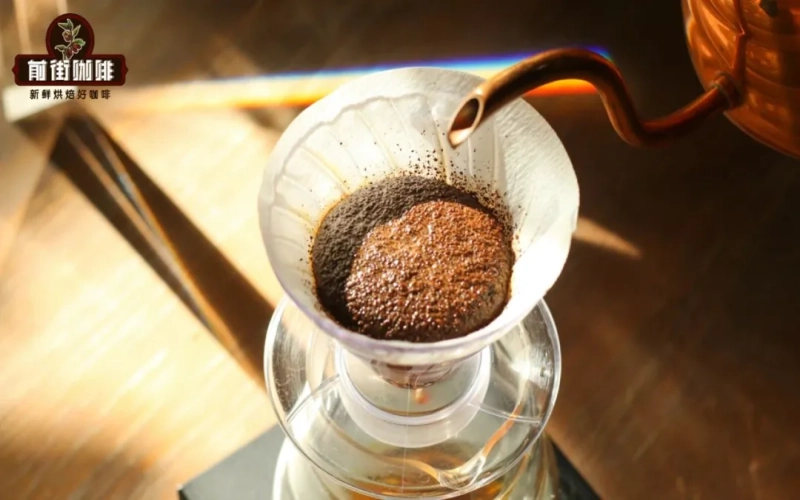
How Do Pour-Over Coffee Bed Depth and Shape Influence Flavor? A Detailed Explanation of the Differences Between Flat-Bottom Drippers and Conical V60
In the world of pour-over coffee, the shape of the coffee bed is often overlooked, yet it profoundly influences the final flavor expression. Starting from cases previously shared by Front Street Coffee, this article systematically sorts out the specific effects of coffee bed thickness and shape on extraction efficiency, stability, and coffee taste. You will learn why the same beans present completely different layers or balance in different drippers, and also understand why every dripper has a recommended dose. Through a comparative brewing example of Front Street Coffee Ethiopia Huakui, we will intuitively see the flavor differences brought by conical drippers and flat-bottom drippers, helping you understand more thoroughly the logic behind dripper selection, so you can brew a good cup of coffee more confidently. [more…]
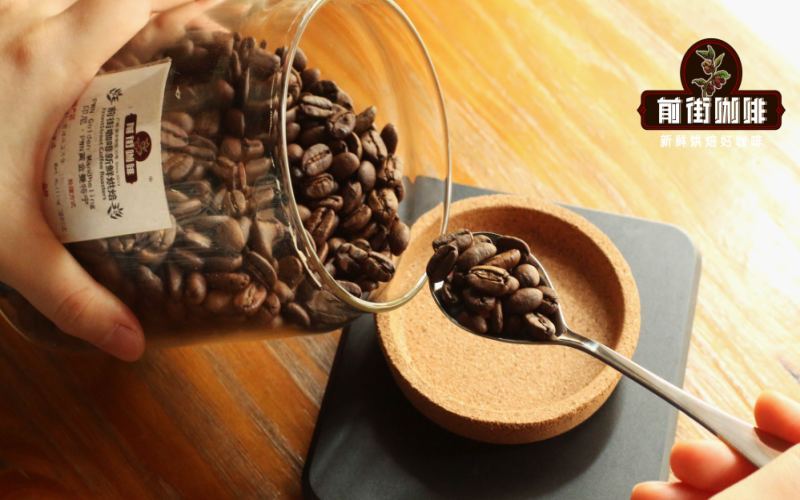
How to Hand-Brew 15g, 20g, and 30g Coffee Grounds? A Guide to Coffee-to-Water Ratios and Filter-Cup Adjustments for Four Servings
The choice of coffee dose for pour-over seems simple, but in reality it involves multiple coordination factors: the dripper model, the number of drinkers, and the pouring rhythm. Front Street Coffee's daily demonstration uses 15g of coffee as the baseline, but in actual brewing, doses that are multiples of 6 such as 12g, 18g, and 24g, doses that are multiples of 5 such as 15g, 20g, and 25g, and even 16g each have their own adherents. Behind different doses lie different reasoning logics—some start from the volume of brewed coffee, some compromise based on the dripper's recommended value, and others aim for easier calculations during pulse pouring. This article will focus on three typical doses—15g, 20g, and 30g—explaining the brewing approaches suited to each, and providing adjustment suggestions for dose, water amount, and dripper selection in a four-person pour-over scenario, helping you achieve consistent results even when sharing with multiple people. [more…]
Analyzing the Chemex Coffee Maker's Design Features and Pour-Over Differences: With Brewing Parameters for Four Front Street Coffee Pour-Over Beans
Since its introduction in 1941, the Chemex coffee maker has been rated by scholars at the Illinois Institute of Technology as one of the best-designed products, thanks to its one-piece filter cone and carafe design, and it is now held in the Museum of Modern Art. It requires no additional filter cone, but must be paired with proprietary filter paper. From the perspective of Front Street Coffee, this article reviews the Chemex's features and pour-over steps, focusing on the four key elements of grind size, water temperature, coffee-to-water ratio, and brewing technique, and recommends four Front Street pour-over beans of different roast levels—Yirgacheffe Gudingding, Kenya Asaliya, Brazil Queen, and Indonesia PWN Golden Mandheling—with their respective brewing parameters and flavor descriptions for coffee enthusiasts' reference. [more…]
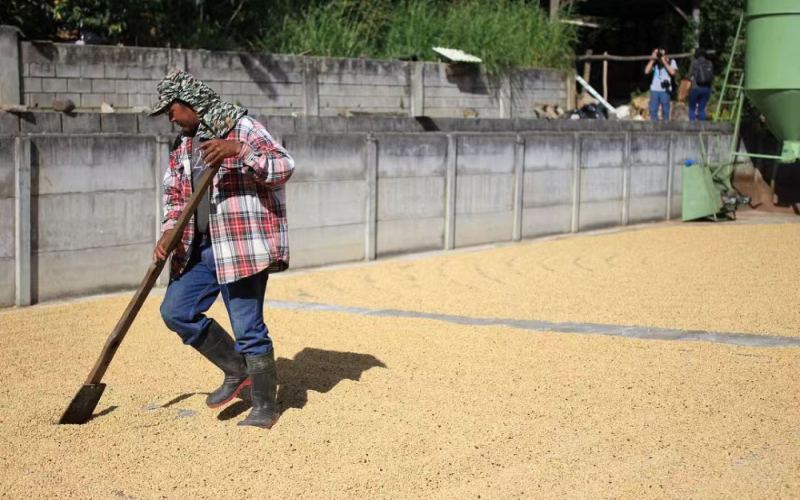
An In-Depth Analysis of Costa Rica's Sumava Estate Black Honey Process Caturra Coffee and a Discussion of Its Nutty, Sweet Aroma
Costa Rica, with its microclimates and high-altitude volcanic soil, produces specialty coffee with rich layers of flavor. Hacienda Sumava in the Western Valley, through its black honey process and Caturra variety, presents notes of brown sugar, floral aromas, and a sweet, syrupy mouthfeel. This article provides a complete analysis of this bean's flavor code—from the growing region's background, the principles of honey processing, and green bean analysis to Front Street Coffee's roasting and brewing recommendations—and explores the allure of coffee with nutty notes. [more…]
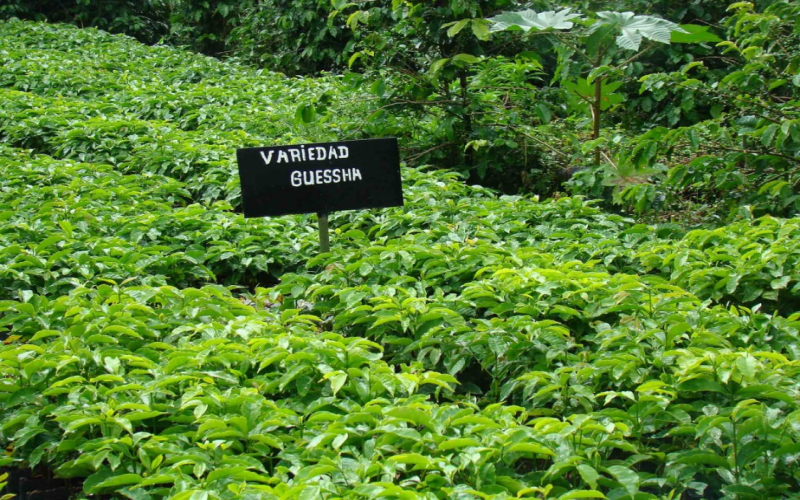
An Analysis of the Positioning of Geisha Coffee Beans: The Grade Differences Between Hacienda La Esmeralda's Red Label and Green Label Geisha
Geisha coffee beans are hailed as the most prestigious high-end coffee variety after Blue Mountain, and their price and quality have long stood at the pinnacle of the specialty coffee pyramid. When it comes to Geisha, Hacienda La Esmeralda in Panama is undoubtedly a name that cannot be overlooked. This article will systematically outline the tier positioning of Geisha coffee beans, provide a detailed explanation of the grading standards for Hacienda La Esmeralda's auction, Red Label, and Green Label Geisha, as well as their respective flavor characteristics and purchasing advice. At the same time, Front Street Coffee will also share brewing parameters and practical tips for Geisha coffee, helping coffee enthusiasts gain a more comprehensive understanding of this legendary bean variety. [more…]
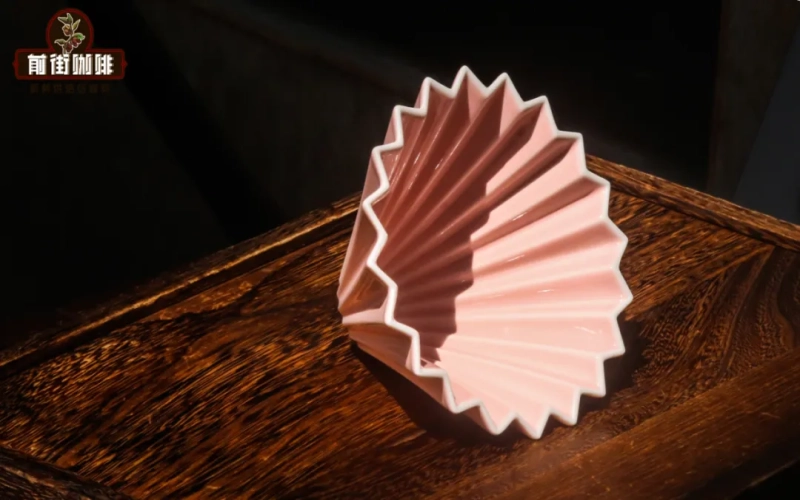
What is the Origami Dripper? How does it differ from the V60, and which filter paper should be used with it?
Among the many coffee drippers, one product stands out for its unique appearance and high compatibility: the Origami dripper, designed by Yasuo Suzuki, one of the founders of Japan's TRUNK COFFEE BAR. Its name comes from the Japanese word "折り紙," meaning origami. The most distinctive feature of this dripper is that it can be paired with either conical filters or cake filters, resulting in completely different extraction effects. So what are the characteristics of each of these two filter combinations? And what differences are there in the flavor and mouthfeel of the brewed coffee? In this article, Front Street will use the same Panama Boquete Geisha coffee beans for a comparative brew to help you find the filter pairing that suits you best. [more…]
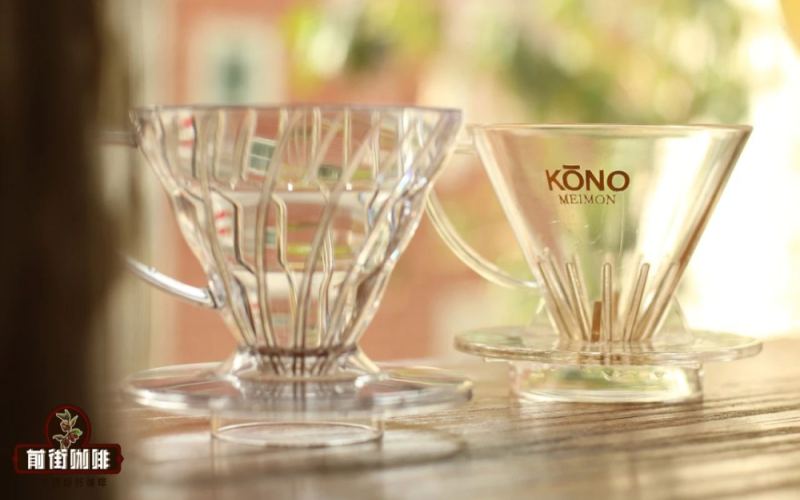
Pour-over Dripper Usage Tutorial | Which Coffee Beans Are Suitable for Brewing with the Kono Dripper? Introduction to the Kono Dripper's Extraction Principles and Coffee Flavors
The KONO dripper, like the Hario V60, is cone-shaped. The biggest difference lies in the height of the ribs. KONO has 12 ribs that are lower than those of the Hario V60, which helps with airflow during brewing and increases the efficiency of the bloom. When the KONO dripper is used together with its server, it's like [more…]
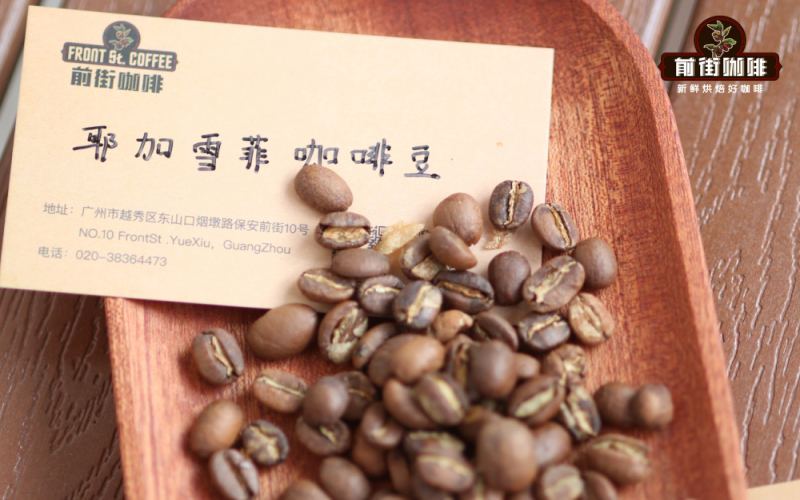
What Is Yirgacheffe's Standing in the Coffee World? A Flavor Profile and Brewing Guide to Adado Specialty Beans
Yirgacheffe is one of Ethiopia's most representative specialty coffee regions. With its fresh floral aroma and citrus acidity, it has become the daily go-to choice for many coffee lovers. Compared with the expensive Geisha, Yirgacheffe wins with its affordable price and highly recognizable flavor profile. This article will analyze Yirgacheffe's positioning in terms of grade from the perspectives of growing altitude, cooperative model, and natural processing methods, with a focus on introducing the specialty coffee bean characteristics of the Adado Cooperative, and will also include complete pour-over recommendations and brewing parameters for Front Street natural Yirgacheffe. [more…]
Multi-Serve Pour-Over Coffee Brewing Plan | Does the Amount of Coffee Grounds Affect the Flavor and Mouthfeel of Pour-Over Coffee? How to Adjust Extraction Parameters for Pour-Over Coffee for 4 People?
Front Street Coffee uses a standard dose of 15 grams of coffee per serving, so when sharing brewing methods, 15 grams is always used as the demonstration standard. However, the dose used to brew coffee varies widely. Based on Front Street Coffee's observations, the most common doses are multiples of 6—12 grams, 18 grams, and 24 grams—and these are mostly used to make a single serving of 120 [more…]
The Meaning Behind Starbucks Sumatra Coffee Art: Sumatra Coffee Bean Characteristics and the Unique Story of Mandheling Processing
Sumatra coffee is a representative of Indonesian coffee, with Mandheling renowned for its rich, mellow body and low acidity. Its unique wet-hulling process imparts herbal and nutty notes, making it a favorite among coffee lovers worldwide. Behind the design of Starbucks Sumatra coffee lies the story of this land as well. This article will guide you through the regional characteristics of Sumatra coffee beans, the mysteries of the wet-hulling method, and the differences between Golden Mandheling and Lintong Mandheling, while also sharing Front Street Coffee's brewing insights and brand recommendations for PWN Golden Mandheling. [more…]
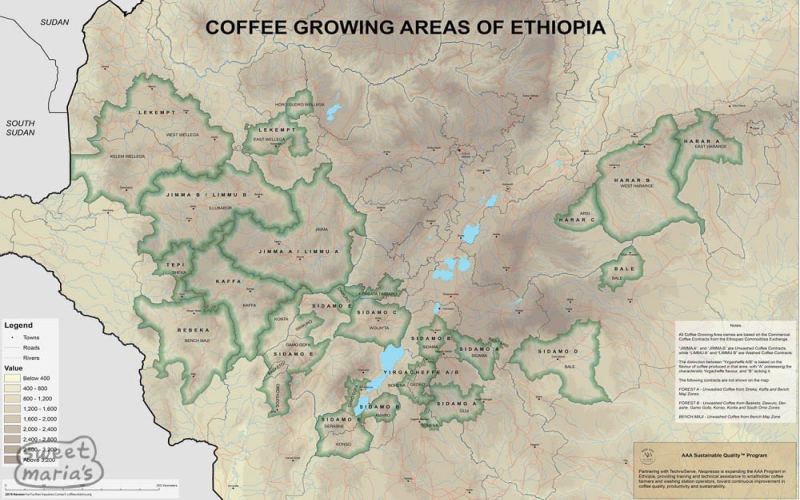
A Complete Analysis of the Flavor Differences Between Yirgacheffe and Sidamo Coffee: Regional Characteristics and Front Street Coffee's Popular Bean Recommendations
Ethiopia's Yirgacheffe and Sidamo are the two major regions most often compared in the specialty coffee world. Though they lie within the same country, differences in altitude, soil, climate, and variety give them distinctly different flavor profiles. Yirgacheffe is known for its citrus acidity and delicate floral aromas, while Sidamo is celebrated for its berry notes, fermented flavors, and diverse terroir. This article examines the differences between the two—from regional geography and representative bean varieties to processing methods and brewing recommendations—and recommends several popular Front Street Coffee beans to help coffee lovers more clearly choose the cup that suits their taste. [more…]
Golden Mandheling Pour-Over Coffee Extraction Plan | What Are the Variety, Processing Method, and Flavor of PWN Golden Mandheling Coffee? An Introduction to Golden Mandheling Coffee Bean Grind Size and Ratio
For more specialty coffee knowledge, please follow our WeChat official account: FrontStreet Coffee. With the development of the specialty coffee market, many coffee enthusiasts have started to explore how to brew pour-over coffee at home. However, pour-over coffee can't be mastered with just a recipe; it requires [more…]
Golden Mandheling Pour-Over Coffee Brewing Recipe | What Are the Variety, Processing Method, and Flavor of PWN Golden Mandheling Coffee? An Introduction to Golden Mandheling Coffee Bean Grind Size and Ratios
For more specialty coffee knowledge, please follow our WeChat official account: FrontStreet Coffee. With the development of the specialty coffee market, many coffee enthusiasts have started to explore how to brew pour-over coffee at home, but pour-over coffee isn't something that can be mastered with just a recipe — rather, it requires [more…]
PWN Golden Mandheling Pour-Over Beginner's Guide: Indonesian Mandheling Coffee Bean Flavor and Proper Brewing Method
Mandheling is where many coffee lovers begin their journey into specialty coffee, and PWN Golden Mandheling is one of the most iconic beans of them all. Using this bean as an example, Front Street Coffee breaks down the reasons behind Mandheling's rich, full-bodied flavor step by step—from the growing conditions of Sumatra, Indonesia, and the characteristics of the Ateng variety, to the ins and outs of the wet-hulling process. It also systematically lays out the key parameters for pour-over coffee, including the equipment needed, water temperature, grind size, and coffee-to-water ratio, along with a specific staged extraction plan. Whether you're a beginner who has just picked up pour-over gear or a more advanced drinker looking to deepen your understanding of Mandheling's flavor, you'll find practical guidance here. [more…]
A Complete Guide to Brewing Golden Mandheling Pour-Over: Grind Ratio, Variety Processing Methods, and Flavor Characteristics Explained
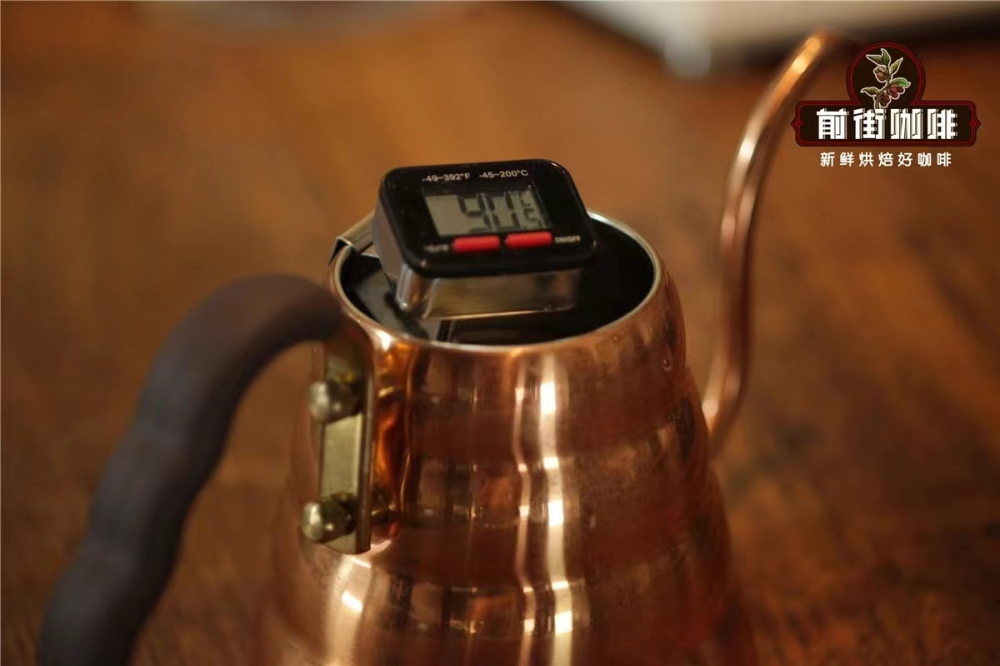
To brew a delicious pour-over coffee at home, choosing the right practice beans is key. Front Street Indonesia Golden Mandheling, with its rich and balanced flavor, has become the top choice for many coffee enthusiasts starting out. This article begins with the origin background of Front Street PWN Golden Mandheling, tracing the history of Indonesia's three major Sumatra producing regions, the Ateng variety, and the wet-hulling process, and explains PWN Company's trademark registration and grading standards for "Golden Mandheling." The equipment section introduces the key selection points for the pour-over kettle, dripper, filter paper, grinder, thermometer, electronic scale, and powder sifter one by one; the brewing section gives specific recommendations for water temperature, grind size, and coffee-to-water ratio, and finally includes the complete brewing parameters and staged extraction technique for Front Street PWN Golden Mandheling, helping readers establish a stable pour-over rhythm. [more…]
What to Do If You Don't Have a Digital Scale for Pour-Over Coffee? Visual Estimation Tips and Pulsed Pouring Plans for 15g of Grounds
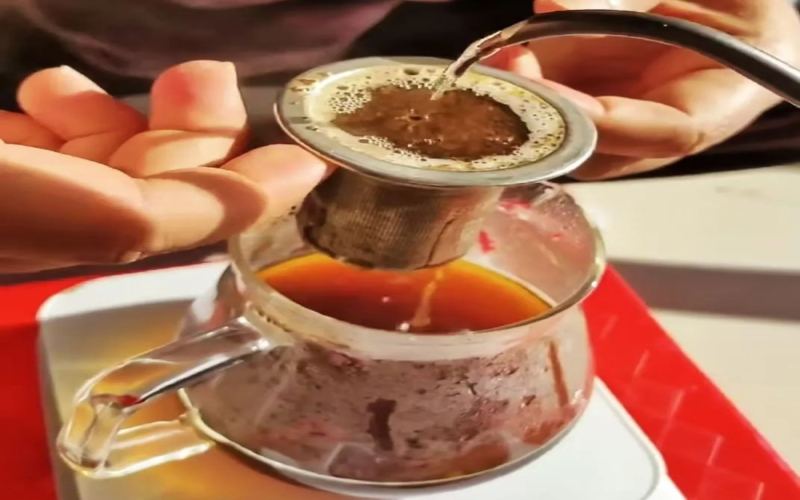
The consistent output of pour-over coffee is inseparable from the precise measurement of an electronic scale, but if you run into the predicament of a broken scale, a dead battery, or simply no alternative tool to be found, does that mean you have to give up on a good cup of coffee? Starting from the two core variables of coffee dose and water volume, this article shares Front Street Coffee's hands-on experience: how to judge 15g or 20g of ground coffee by visually estimating the height of the coffee bed, how to use the dripper's markings as a reference under different roast levels, how to choose a coffee-to-water ratio between 1:14 and 1:16, and a three-stage blind brewing process that requires no scale. Even without equipment, mastering these techniques can still brew a qualified pour-over of about 210ml. [more…]
Flavor comparison of Golden Mandheling and Yirgacheffe: A detailed guide to the origins and processing methods of Indonesian Mandheling coffee beans
In the world of coffee, some people prefer bright fruity acidity, while others favor a rich, mellow sweetness. Golden Mandheling and Yirgacheffe represent two completely different flavor directions—the former comes from Sumatra, Indonesia, carrying intense notes of herbs, dark chocolate, and nuts; the latter is produced in Ethiopia, exuding fresh tones of floral aromas, citrus, and honey. From the perspective of Front Street Coffee, this article systematically sorts out the origin background, variety characteristics, processing methods, and roasting approaches of these two popular coffee beans, and includes specific brewing parameter suggestions to help coffee lovers more clearly understand the stylistic differences between Asian beans and African beans, and find the cup that suits their own taste. [more…]